 how-to
Artificial Turf for Muddy Dog Runs: A Practical Guide
Last Updated: November 2, 2026
Quick Summary
Artificial turf can fix muddy dog runs because properly built synthetic turf lets water move through the surface and base instead of pooling. Turf alone will not solve poor grading, so drainage must be planned during installation. Pet-specific turf with a drainage backing is one option to discuss with a contractor.
- Georgia clay holds moisture, so muddy dog runs recur after heavy rain.
- Properly built synthetic turf lets water pass through the surface and base.
- Drainage and grading must be assessed during installation; turf alone will not fix them.
- Match turf to dog use: digging dogs need a tougher backing and strong fiber.
- A base that is not compacted evenly will settle and create low spots where water collects.
Table of Contents
- Why Muddy Dog Runs Happen and What Artificial Turf Fixes
- Best Artificial Turf for Dogs: Choosing Pet-Friendly Turf
- Dog Run Base Preparation and Pet-Friendly Turf Drainage
- Frequently Asked Questions
Why Muddy Dog Runs Happen and What Artificial Turf Fixes
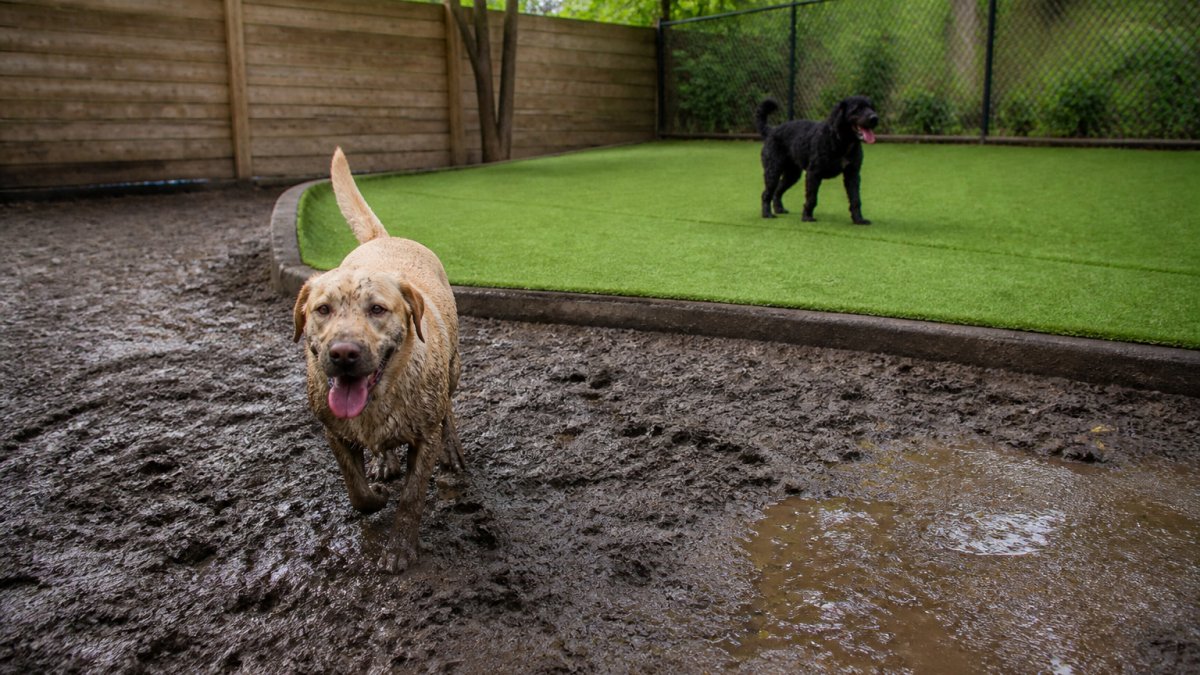
Muddy dog runs usually come down to soil and water. Georgia clay holds moisture, and heavy rain has nowhere to go, so the same patch turns to mud every few weeks. Muddy patches like this are common across the greater Atlanta area, especially in shaded yards where grass never fully recovers.
Synthetic turf replaces the worn grass that turns to mud. Explore why going artificial makes sense in Atlanta for a muddy yard. Properly built, it lets water move through the surface and base instead of pooling, which can help keep paws cleaner. Drainage still has to be planned during installation, because turf alone will not fix poor grading. For a dog run that sees heavy traffic, pet-specific turf is one option to discuss with a contractor.
Best Artificial Turf for Dogs: Choosing Pet-Friendly Turf
Pet-friendly turf is generally designed to handle running, digging and frequent urination. Look for a drainage backing that lets liquid pass through quickly, and an infill that helps control odor. Learn how to clean your artificial turf to keep it fresh between uses. Specifications vary by manufacturer, so ask for the product data before you commit.
Turf choice should match how your dog uses the space. A dog that digs needs a tougher backing, while a small dog that mostly walks the perimeter needs less.
| Dog Use | What to Prioritize |
|---|---|
| Heavy running and digging | Durable backing, strong fiber |
| Frequent urination | Fast drainage, odor control infill |
| Light daily use | Comfort and easy cleaning |
Dog Run Base Preparation and Pet-Friendly Turf Drainage
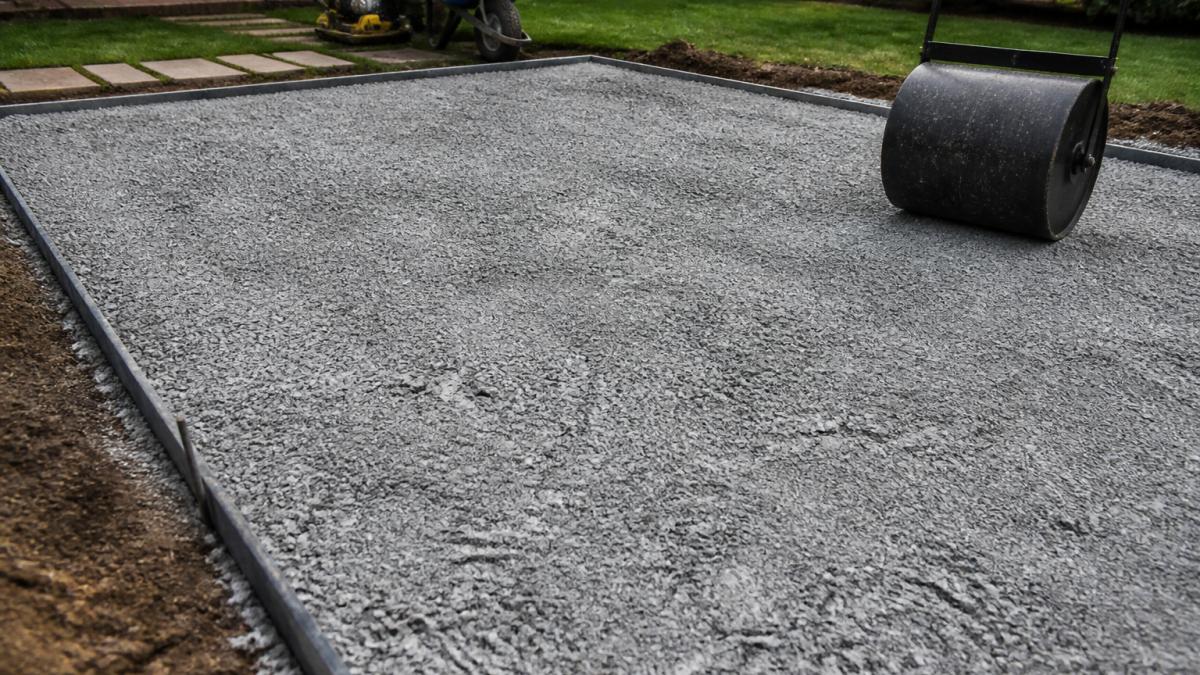
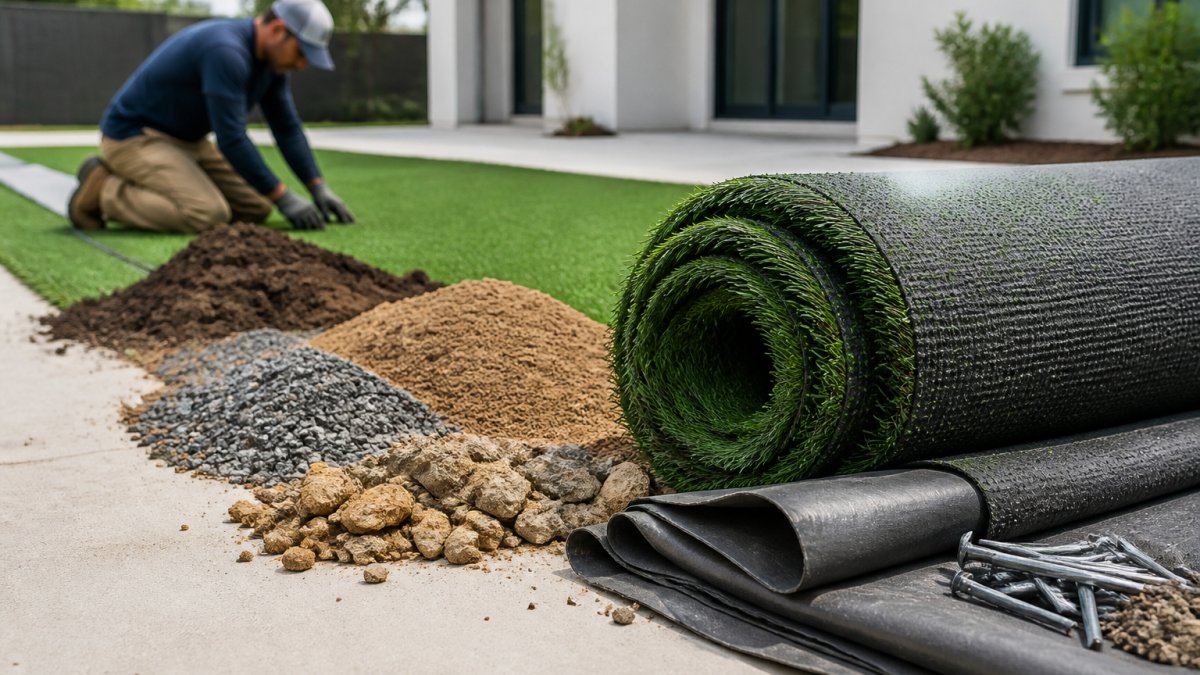
A dog run performs only as well as its base. Excavation, grading and compaction set the drainage path, and the turf sits on top of that work. Shortcuts at this stage are a common cause of puddles later.
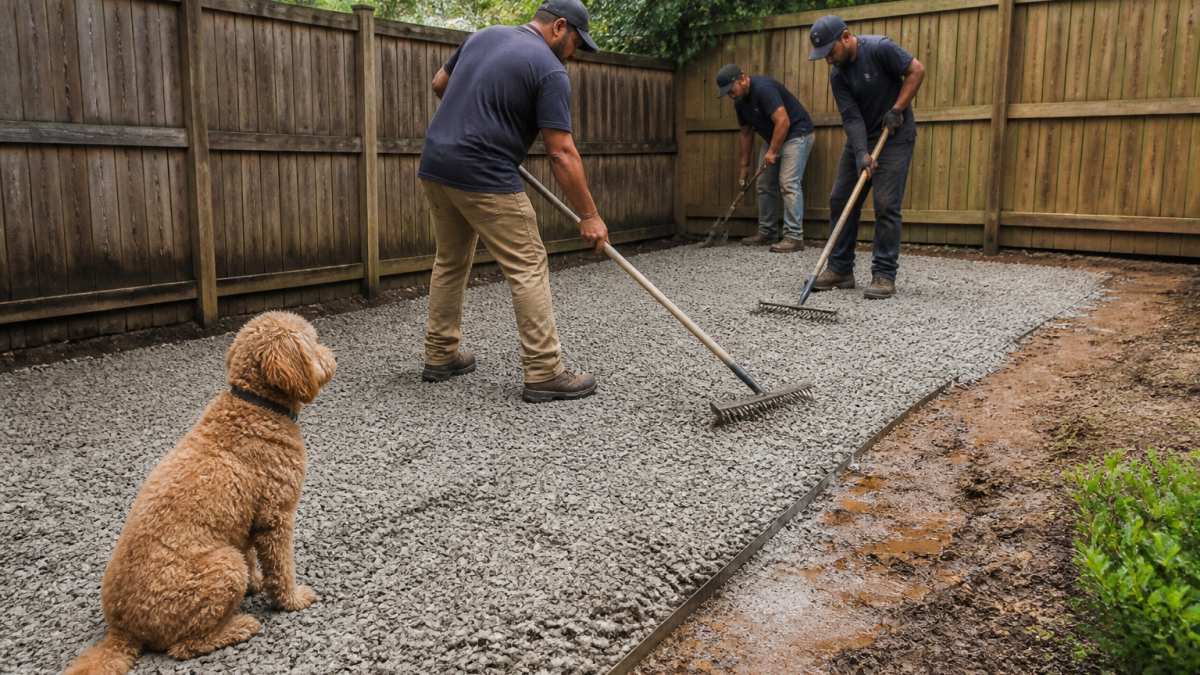
Watch out: a base that is not compacted evenly will settle, causing ripples and low spots where water collects. If ripples have already formed, see how to repair ripples in your turf. Plan a professional site evaluation before installation. Review ongoing artificial turf maintenance to see what a professional service covers after the install. Contact Artificial Turf Atlanta to discuss your dog run and request a project-specific quote.
Frequently Asked Questions
Is artificial turf good for a dog run?
Yes, when it is installed correctly. Artificial turf can keep paws out of mud during wet Georgia weather when drainage is handled properly. Performance depends on the base, grading and drainage underneath. A turf product alone cannot fix a run that sits in a low spot where water collects. A site evaluation shows whether your yard needs extra grading or drainage before installation.
How do you keep artificial turf from smelling like dog urine?
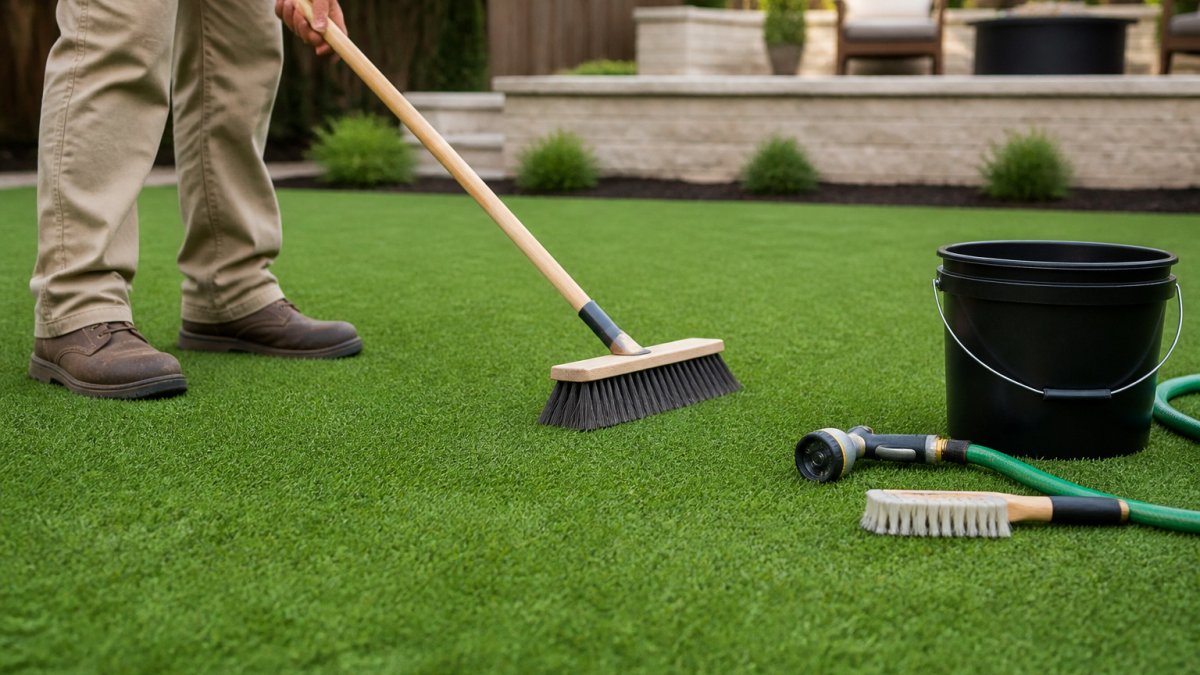
Rinse the turf regularly with water to dilute urine and remove residue, and pick up solid waste promptly. Brushing the fibers helps keep them upright and lets water flow through. Good drainage underneath matters too, because standing water and trapped moisture are a common source of odor in pet areas.
What is the best thing to put down for a dog run that gets muddy?
For a muddy dog run, artificial turf over a properly prepared, compacted aggregate base usually performs best. The base carries water away from the surface, while the turf gives dogs a clean, consistent footing. The right base depth depends on your site, existing grade and drainage conditions. Ask for a site evaluation to confirm what your property needs.